Understanding Stalking Laws in BC
Stalking—legally called criminal harassment—is a serious offence in BC. It doesn’t require physical violence. If someone’s behaviour causes fear, it matters. This page is designed to empower you with knowledge and provide clear steps to take if you are experiencing stalking or criminal harassment.

What Counts as Stalking?
Under the Criminal Code of Canada, stalking includes:
- Repeated unwanted contact (calls, texts, DMs)
- Following or monitoring someone
- Showing up at your home, work, or school
- Online harassment or impersonation
- Threats toward you or people close to you
👉 Fear and patterns of behaviour are key.
Does Online Stalking Count?
Yes. Cyberstalking is included. Harassing messages, fake accounts, tracking, or posting personal info can meet the legal threshold.
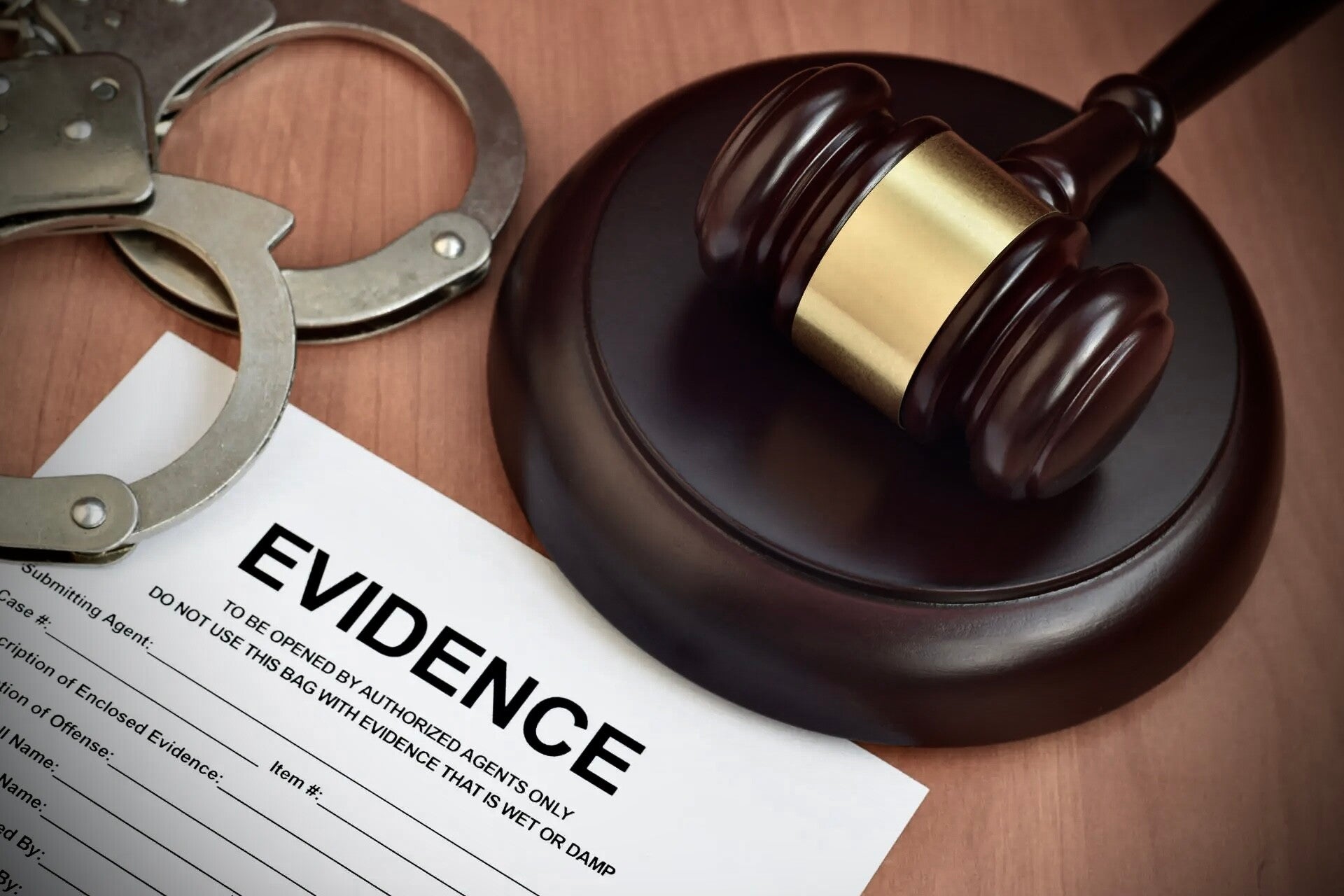
The Importance of Evidence
The single most important thing to understand about stalking laws in BC is that EVIDENCE IS EVERYTHING. The more evidence you have, the stronger your case will be. Comprehensive documentation can significantly aid in building a case against your stalker.
Stalking is proven through patterns. Helpful evidence includes:
- Screenshots and call logs
- Emails, DMs, or voicemails
- Witness statements
- Security footage
📌 DOCUMENT EVERYTHING —even if it feels small.

Legal Options for Protection
Peace Bonds & No-Contact Orders
Courts can issue peace bonds or no-contact conditions—even without criminal charges. Police can apply on your behalf, and you can also apply directly at the courthouse.
⚠️ BREACHING THESE ORDERS IS A CRIMINAL OFFENCE
If Police Say There’s “Not Enough Evidence”
This is common early on. It does not mean your experience isn’t real.
• Keep documenting
• Report every incident
• Ask about peace bonds or victim services

When the Courts Get Involved
After police submit a file, Crown Counsel reviews the evidence to decide whether charges will be approved.
Crown Counsel are government lawyers with BC Prosecution Service who review police files, decide whether criminal charges proceed, and prosecute cases in court on behalf of the public. They do not represent the victim personally—their role is to assess evidence, public safety, and the likelihood of conviction.
Their role is to assess:
- Likelihood of conviction
- Public interest
This review can take time—even when the case is active.
Do I Need To Hire A Lawyer?
NO you do not. Hiring a lawyer isn’t required if Crown Counsel is involved.
BC Prosecution Service prosecutes the criminal case on behalf of the public. You don’t need your own lawyer for the criminal process.
If Charges Are Approved
- The accused is formally charged
- Court dates are scheduled
- Release conditions may be set or updated (no-contact, distance, weapons bans)
Court Dates
Early court dates are usually procedural:
- First appearance
- Bail or condition reviews
- Adjournments
Multiple dates are common and don’t mean the case is weak.
Most cases are heard in Provincial Court of British Columbia.

What Happens at Trial
If a stalking case goes to trial, BC Prosecution Service (Crown Counsel) presents the evidence against the accused. The defence can challenge that evidence.
YOU MAY BE CALLED AS A WITNESS, but not every case requires survivor testimony.
At Trial:
- Crown presents evidence and witnesses
- Defence may cross-examine
- A judge decides the outcome (no jury in most criminal harassment cases)
Trials can be emotionally difficult and may take time. Victim Services BC can help you prepare, understand court dates, and plan for safety
Victim Services BC
Victim Services BC are free, confidential supports in BC for people affected by crime. They help with court updates, safety planning, emotional support, and referrals—so you’re not navigating the justice system alone.
Possible Outcomes
- Guilty → sentencing, probation, or continued no-contact orders
- Not guilty → the criminal case ends, but other legal options may remain
- Peace bond or conditions → ongoing protection may still be ordered
If Charges Aren’t Approved (Yet)
This does not mean the behaviour wasn’t serious.
Cases can be revisited if:
- New incidents occur
- Conditions are breached
- More evidence is gathered
Keep documenting and reporting.

After a Guilty Finding
If the harasser is found guilty or pleads guilty, the court moves to sentencing.
What may happen next:
• Sentencing hearing (may be same day or scheduled later)
• Release conditions continue or become stricter
• No-contact, distance, or weapons bans are imposed or extended
• Probation, peace bond, or jail may be ordered
• Counselling or treatment programs may be required
The judge considers the risk to you, the offender’s history, and the impact of the crime (including any Victim Impact Statement).
Even after a guilty finding, continue safety planning and report any breaches immediately—breaching conditions is a new criminal offence.
Sentencing Outcomes
If the accused is found guilty, the judge may order:
- Peace bond or probation
- No-contact or distance orders
- Weapons bans
- Counselling or treatment
- Fines or restitution
- Community sentence or jail (in serious cases)
Sentencing is based on risk, history, and impact.
Victim Impact Statement
A Victim Impact Statement lets you tell the court—in your own words—how the crime affected you (emotionally, psychologically, physically, or financially).
What to know:
- Given after a guilty finding, during sentencing (not the trial)
- You can read it, have it read for you, or submit it in writing
- It’s optional—your choice
Judges may consider it when deciding sentencing or conditions in the Provincial Court of British Columbia.
Your voice matters—how and when you use it is up to you.
Key Takeaway
The court process can be slow and mentally draining—but patterns matter. Every report and record builds protection. Persistence is power, and it saves lives.
Just as important: take care of yourself. If you need support, visit our Support and Counselling page for free or low-cost services. You don’t have to do this alone.
Did You Know?
You can look up upcoming criminal court dates in B.C. through Court Services Online.
How to check:
- Go to Court Services Online (CSO)
- Select Search → Criminal
- Enter the accused’s name or court file number
- View upcoming dates and court location
Note: Some details may be restricted, and court dates can change. Victim Services can help confirm information.
STAYING INFORMED IS PART OF STAYING SAFE.
*This page provides general legal information for educational purposes only and does not constitute legal advice.
*Information on this website is provided for educational purposes only and does not constitute legal, medical, mental health, or professional self-defense advice.
Terms of Use
Create Your Own Website With Webador